Beginner's Guide To Trout Flies 101 The Basics
Posted by Fly Tying World on 1st Dec 2025
Beginner's Guide To Trout Flies 101 The Basics
Everything you need to know about trout flies – what they are, when to use them, and how to choose patterns that actually catch fish.
Trout fly fishing can look complicated from the outside – hundreds of patterns, strange names, and boxes full of tiny hooks and feathers.
In reality, you only need to understand a few simple ideas to start catching fish consistently.
On this page, you’ll learn:
-
The main types of trout flies
-
When and how to fish each type
-
Simple rules for choosing size and colour
-
A basic selection that will cover almost any water
And whenever you’re ready, you can have a look at trout flies and fly tying materials to build a box you trust.
What Are Trout Flies?
Trout flies are artificial imitations of the food trout eat – insects, larvae, small fish and other aquatic creatures. They’re tied on hooks using feathers, fur and modern synthetic materials.
Most trout flies fall into two big ideas:
Imitative flies – designed to look and behave like the trout’s natural food (nymphs, buzzers, mayflies, caddis, fry etc.).

Attractor or lure flies – designed to provoke a reaction. Bright colours, big silhouettes and extra movement trigger the trout’s predatory instinct even when they’re not feeding hard.

From those two ideas we get four main trout fly categories:


From Left to Right
- Dry Trout Flies
-
Wet Trout Flies
-
Nymph Trout Flies
-
Lure / Streamer Trout Flies
Master these four, and choosing the right fly becomes easy.
Dry Trout Flies
Dry flies are tied to float on or in the surface film and imitate adult insects – mayflies, caddis, midges and terrestrials like ants, beetles, hoppers, & Spiders.
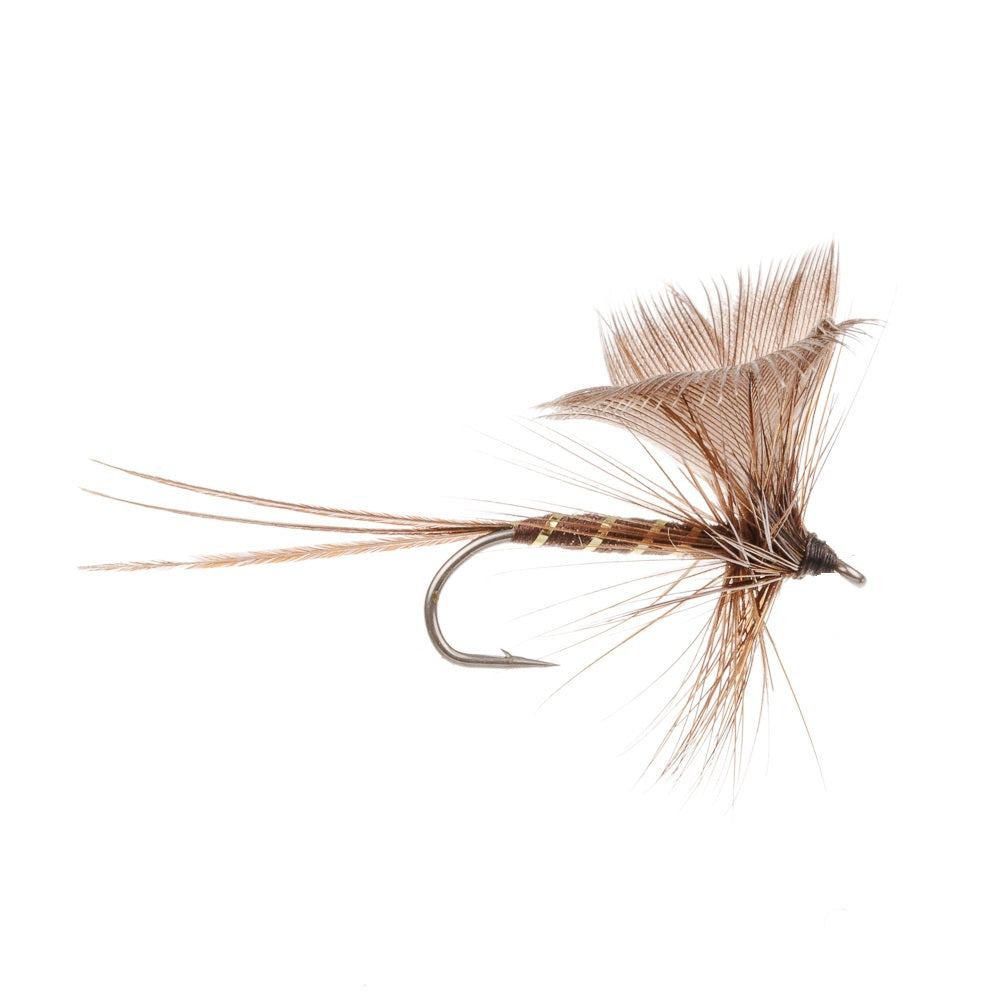
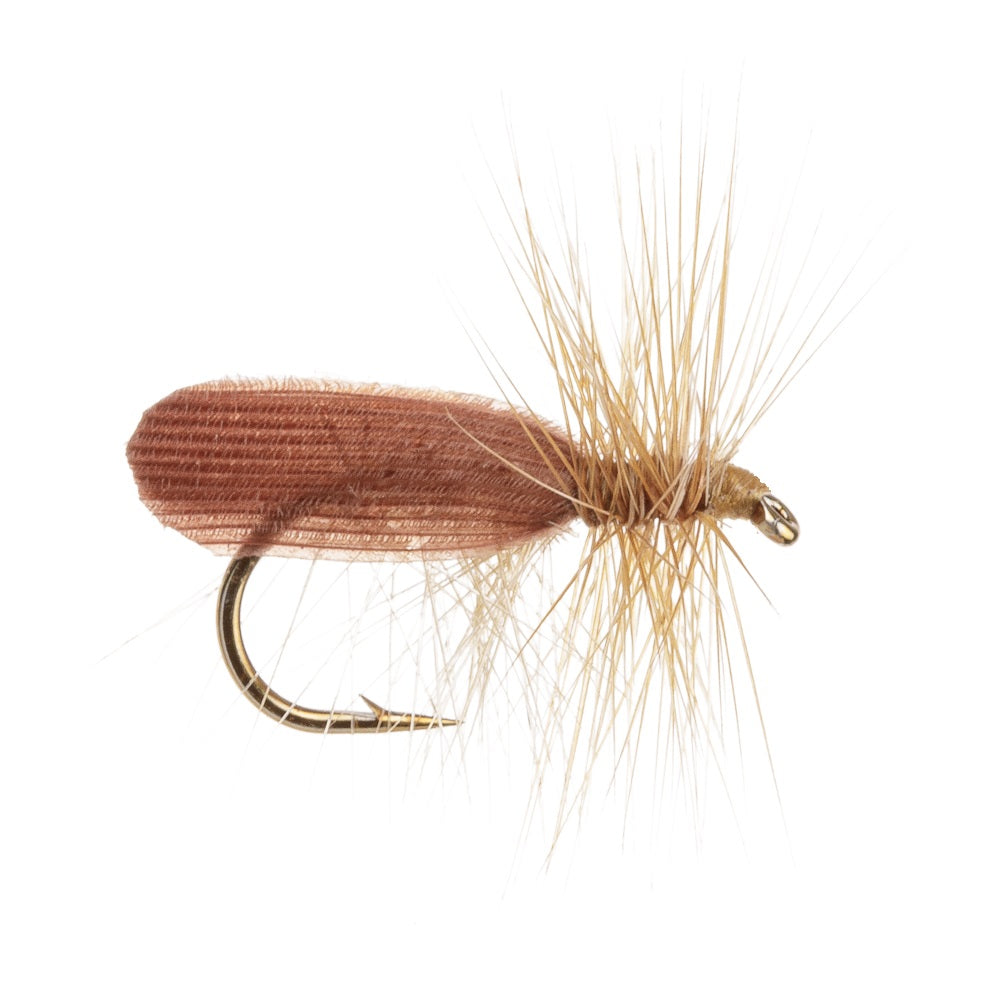
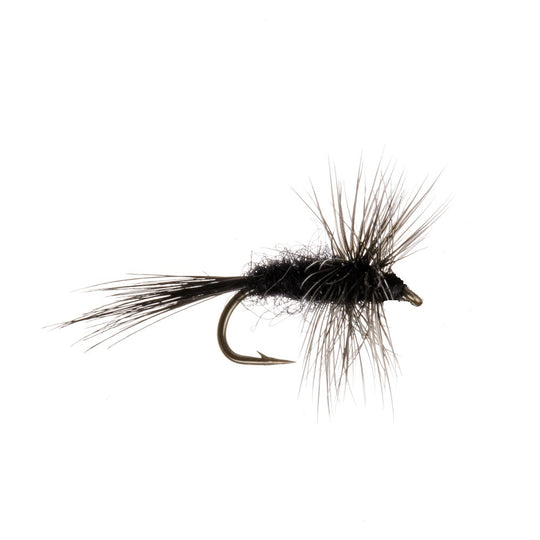

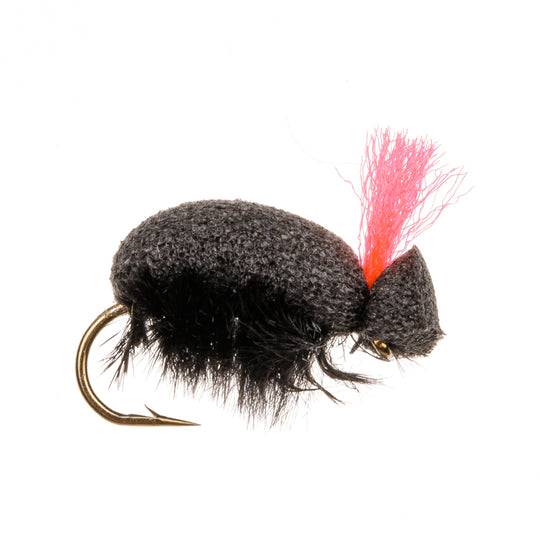
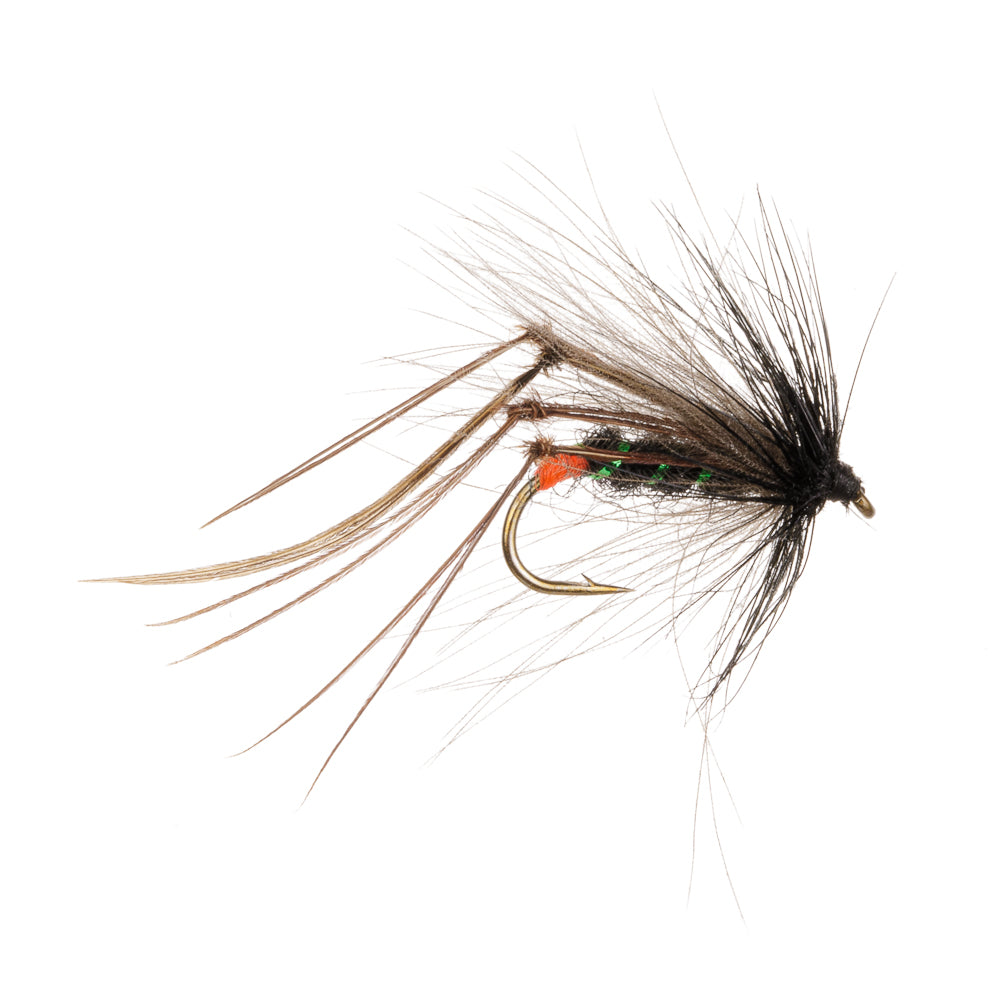
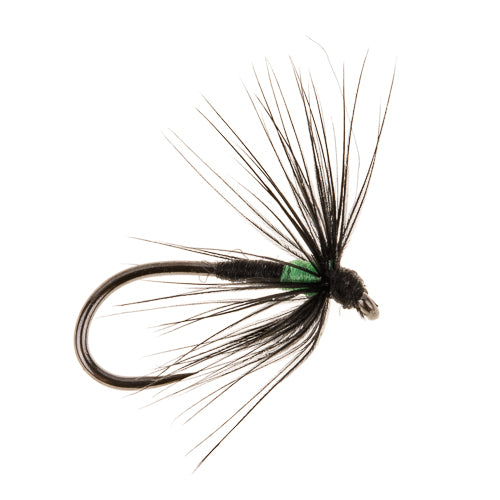
From left to right
Mayflies, Caddis, Midges and Terrestrials like Ants, Beetles, Hoppers, & Spiders.
When to use dry flies
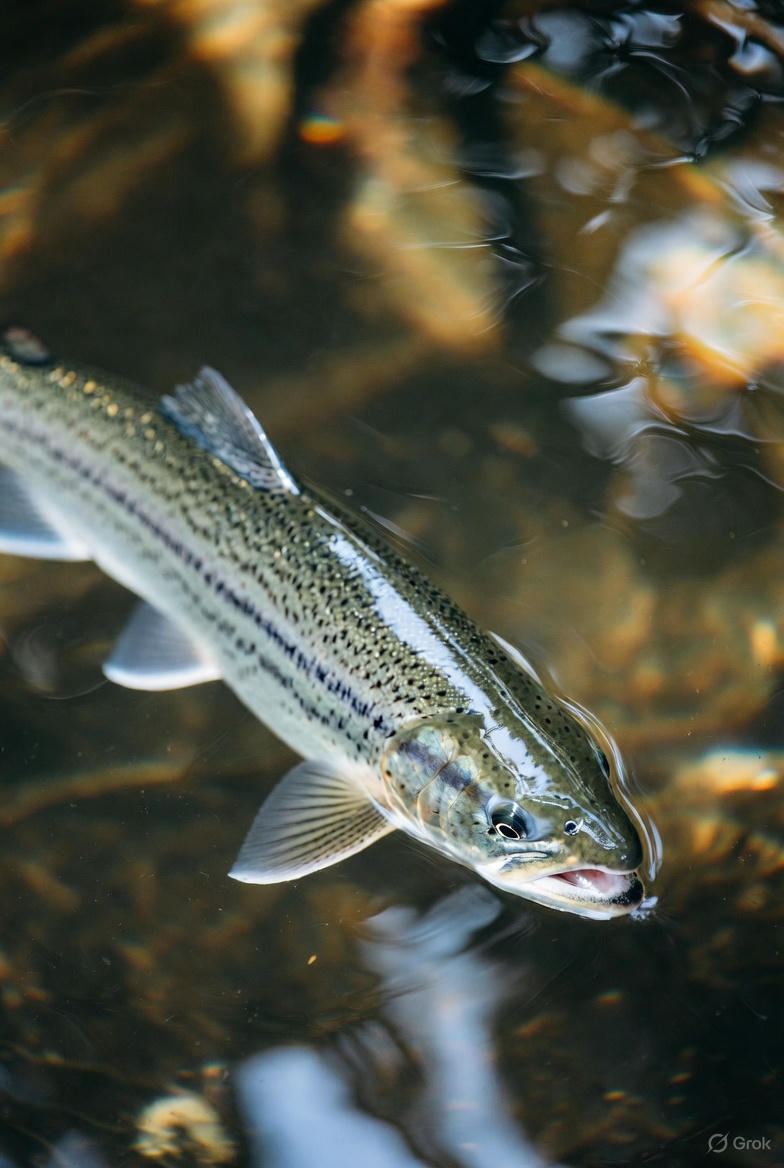
You can see trout rising or sipping at the surface
The water is calm or gently riffled

In the evening or on overcast days when hatches are common
Whenever you want the most visual, exciting way to fish – watching the take on top
How to fish dry flies (simple method)
Use a floating line and a tapered leader de-greased near the fly tip


-
Cast slightly upstream or across-and-up
-
Let the fly drift naturally with as little drag as possible
-
If nothing happens, gently twitch or lift the fly – this can trigger a late take
-
Always keep your eyes glued to the fly… the rise often happens when you look away!
Ideal beginner dry patterns
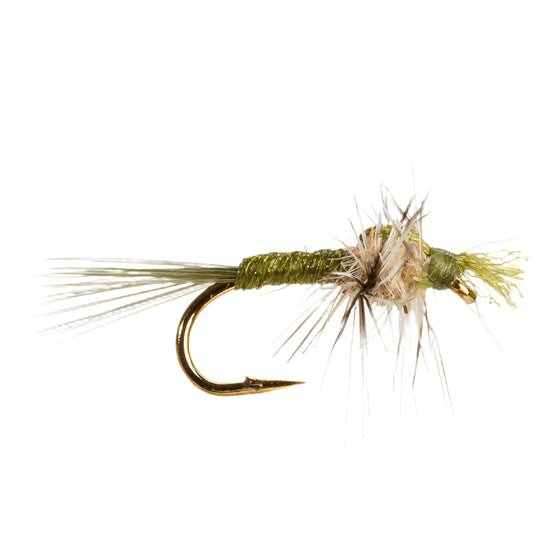
General “upwing” / mayfly patterns in olive, brown and cream


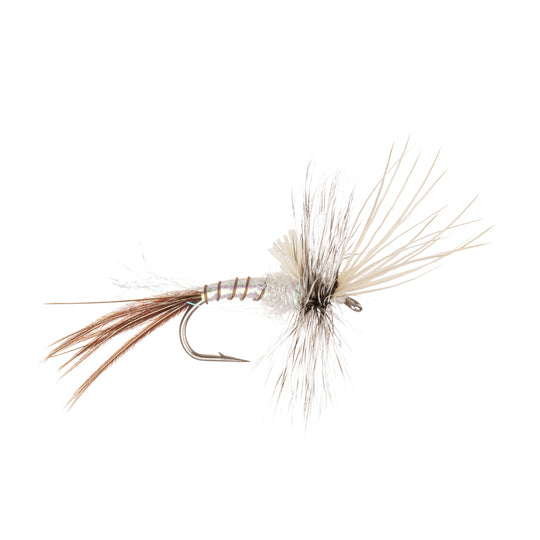
CDC olives and emergers for fussy fish

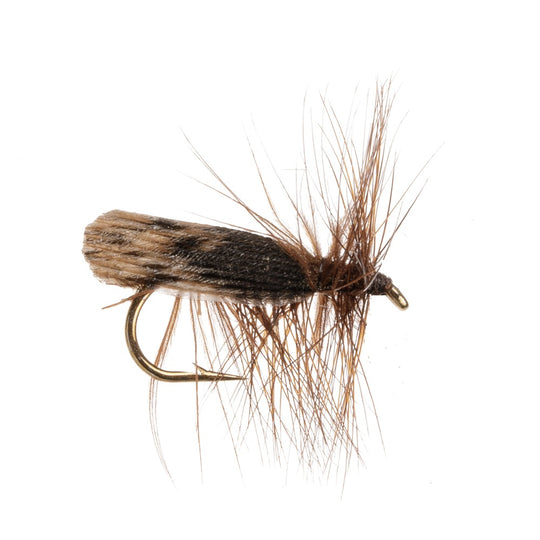
Elk hair caddis and sedge patterns for broken water

-
Hoppers and daddy longlegs on windy days

Explore our Dry Trout Flies collection and build a small selection in sizes 12–18 to cover most situations.
Wet Trout Flies
Wet flies are fished under the surface, often imitating drowned insects, emerging nymphs or small prey drifting in the current. They’re fantastic search patterns when you’re exploring new water.
When to use wet flies
-
Fish are bulging or swirling just under the surface, but not properly rising
-
During or just before a hatch when insects are coming off
-
On rivers and stillwaters when you want to cover water quickly
How to fish wet flies
-
River: cast across or slightly downstream and let the flies swing across the current
-
Add the occasional lift or twitch – this mimics an insect rising to hatch
-
Stillwater: fish them in a team of two or three on a slow figure-of-eight retrieve
-
Hang the flies at the end of each retrieve – many trout grab them right at the rod tip
Core wet fly patterns
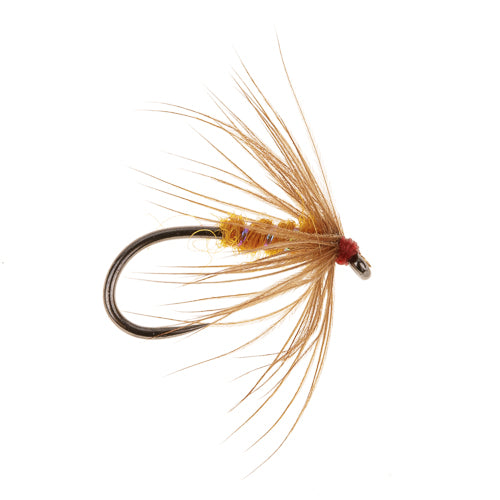
Traditional spider and soft-hackle patterns (partridge & orange style)
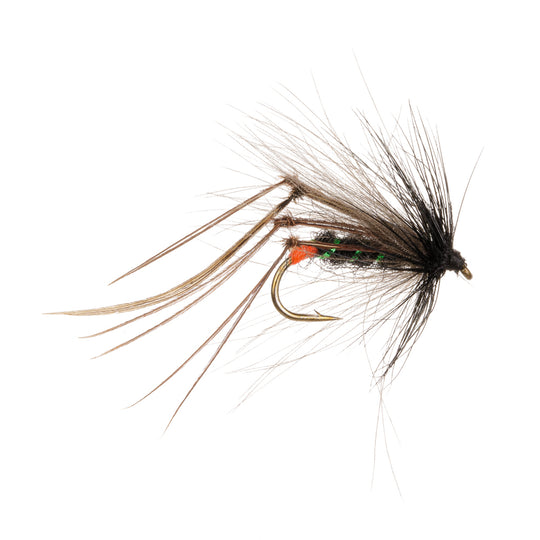
Winged wets in dark, natural colours with a splash of red or claret
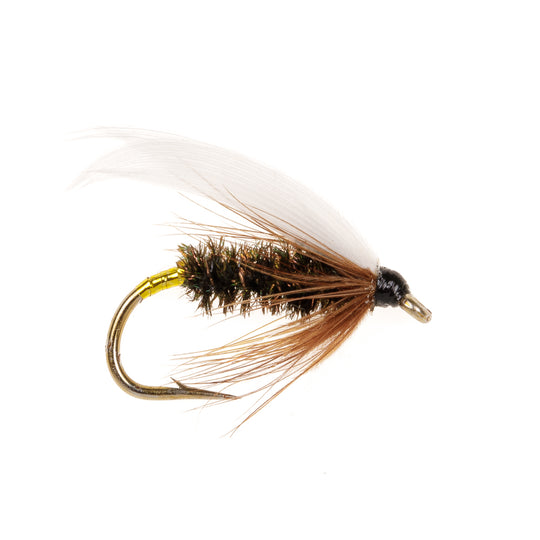
Small wet sedges and palmered wets for broken water
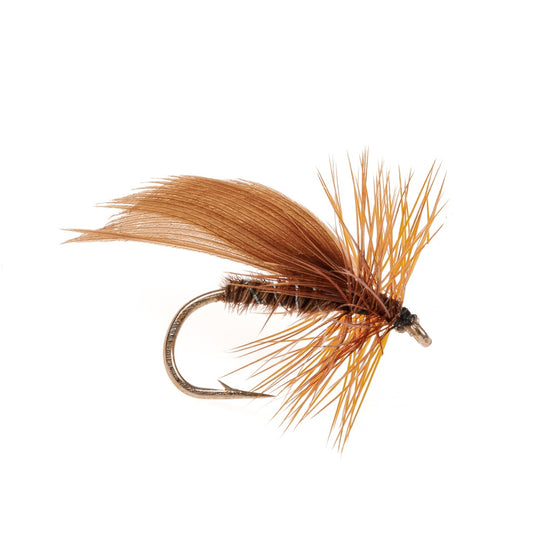
Browse our Wet Trout Flies – perfect for covering water and finding feeding fish fast.
Nymph Trout Flies
Trout do most of their feeding below the surface, picking off nymphs and larvae living on or near the riverbed and lake bottom. Nymphs are the “bread and butter” of a trout’s diet.
When to use nymphs
-
You don’t see obvious surface activity
-
Water is cold, clear or the fish seem glued to the bottom
-
You want a reliable, all-year-round method
How to fish nymphs
River:
- Use one or two nymphs on a long leader
- Cast slightly upstream and track the flies with your rod tip
- Watch for any stop, dip or hesitation in the leader – strike at anything suspicious
Stillwater:
- Suspend nymphs or buzzers beneath an indicator

or buoyant dry fly
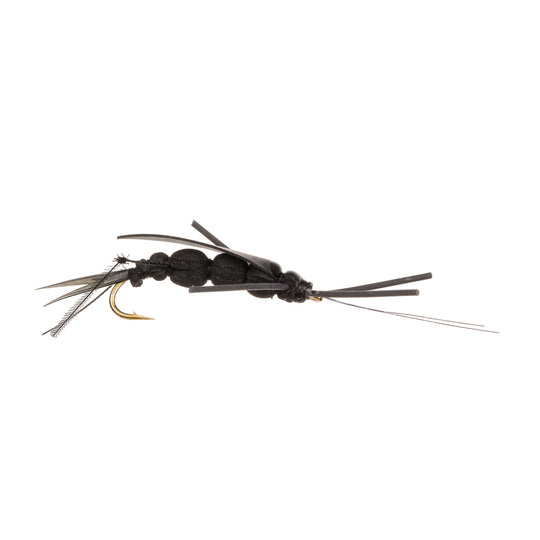
Or retrieve slowly with a figure-of-eight retrieve just off the bottom
Essential nymph patterns
-
Slim, dark nymphs and pheasant tail styles for olives and upwings

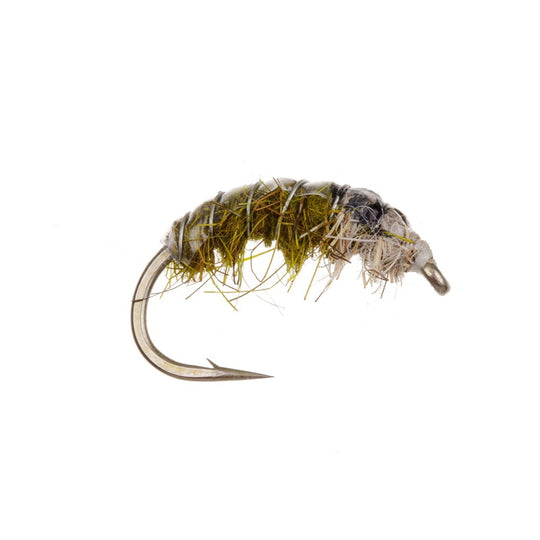
-
Hare’s ear and buggy nymphs to suggest a mix of insects


-
Buzzers/chironomids in black, olive, red and claret


-
Bead-head versions for faster water or deeper venues


Top up from our Nymph Trout Flies – a handful of natural patterns in sizes 10–16 will catch fish almost anywhere.
Lure & Streamer Trout Flies
Lures and streamers imitate small fish, leeches, tadpoles and other big mouthfuls. They’re designed to trigger the trout’s aggression and hunting instinct.
When to use lures / streamers
-
After stocking, when fish are chasing fry or exploring the margins
-
In cold weather, early and late season, or when insects are scarce
-
In coloured water where trout home in on movement and silhouette
-
When you’re specifically hunting bigger, predatory fish
How to fish lures
-
Cast out and count the fly down to the depth you want
-
Retrieve with varied strips – long pulls, short jerks and pauses
-
Change the depth and retrieve speed until you find what the fish want
-
Always “hang” the fly near the rod tip before recasting – many lock up right at the end
Proven lure patterns
-
Streamers with marabou tails for plenty of movement


-
Bright attractor patterns for stocked fish
-
Dark, slim baitfish patterns for clear water and pressured fish
Check out our Lure & Streamer Flies – ideal for waking up lazy trout and connecting with the biggest fish in the lake.
Matching the Hatch – Keeping It Simple
You’ll often hear fly anglers talk about “matching the hatch”. It simply means:
Look at what the trout are eating and choose a fly that’s close in size, shape and colour.
Quick checklist on the bank:
-
Look at the water and air – any obvious insects?

-
Check the surface – spent wings, shucks or drowned flies?
-
Turn a few stones in the shallows to see what nymphs live there.
Then choose:
-
Dry or emerger if insects are on top
-
Nymph or wet fly if you see nothing on the surface
-
Lure / streamer if the water’s coloured or you see fry scattering
A Simple Starter Selection
To take the guesswork out, build (or buy) a small, confidence-boosting selection:
-
3–4 dry flies in sizes 12–18
-
4–6 nymphs / buzzers in natural colours
-
3 wet flies to cover mid-water and emergers
-
2–3 lures/streamers in light and dark colour schemes
With that mini-collection you’ll be able to walk onto almost any trout water and fish effectively straight away.
Save time and grab a ready-made Trout Fly Selection from us, or pick your own favourites from each of our fly categories.
Final Thoughts
Trout flies don’t need to be confusing. Understand the four basic types, carry a simple mix of sizes and colours, and spend a little time watching what’s happening on the water.
The rest is practice – and we’re here to help with:
-
Quality trout flies that are tied to fish, not just to look pretty in a box
-
Fly-tying materials if you want to create your own patterns
-
Tools, boxes and accessories to keep everything organised on the bank
Ready to fill your fly box with confidence?
Thanks for reading this guide to trout flies! As a thank you, here’s a discount code for 10% off your first order FTW2025. Click Me
Start with our [Trout Flies – Shop All] and build a selection that works for the waters you fish most.