Fly Fishing Strike Indicators
Keep track of your nymphs and spot changes in the drift. Compare Thingamabobber, Cortland and Stonfo strike indicators, with different attachment styles and sizes for river and stillwater fishing.
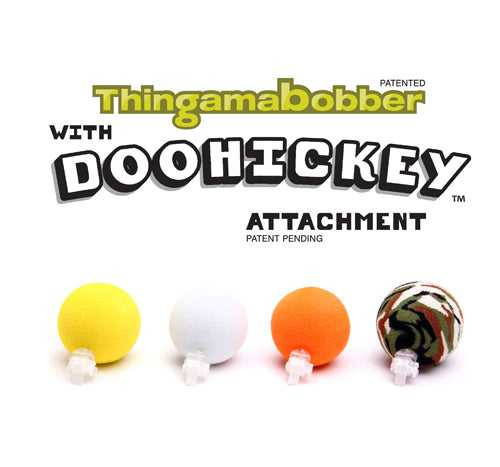
Choose the smallest indicator that supports your complete rig and remains visible. Check the current price, available options and stock in the product listing below.
How to Choose the Right Fly Fishing Strike Indicator
Match the indicator to your flies, the water and the light. Start here, then check each product’s fitting instructions and available options.
What does a strike indicator do?
An indicator gives you a visible reference while the fly fishes below the surface. Watch for a pause, dip, sideways movement or a change in speed. These can signal a take, but can also be caused by drag or the fly touching the bottom. Stay in contact with the drift and respond with a controlled lift.
Which attachment style should I choose?
Toothpick indicators grip the leader using a small peg. Pinch-on indicators attach around the line; follow the product instructions when fitting or removing them. Doohickey indicators use a locking attachment. Do not assume every Thingamabobber uses the same attachment method. Compare Doohickey options, Cortland toothpick indicators and Cortland pinch-on indicators.
How big should my indicator be?
Begin with the weight of the complete rig: fly, bead and any permitted additional weight. Choose enough buoyancy to support it without the indicator sitting submerged, then reduce size where conditions allow. Larger indicators can support more weight and be easier to see, but may create more disturbance and casting resistance. There is no universal indicator-to-hook-size chart.
Which colour is easiest to see?
Choose contrast against the water and light you are facing. Orange, yellow and white can each be useful as reflections and shade change. A two-tone indicator can provide another visual reference. Check the colours offered by the actual product and variant; the photographs do not establish that every colour is selectable.
Rivers or stillwaters?
On rivers, aim for a drift that follows the current without the fly line pulling the indicator faster than nearby bubbles. Adjust your position and manage slack as the drift develops. On stillwaters, set the fly at the depth you want to explore, then consider wind drift and any retrieve. Check the fishery’s permitted methods before fishing a bung or indicator rig.
Using indicators with weighted nymphs
A tungsten-bead nymph needs sufficient support, particularly if you fish more than one fly. Test the complete rig near the bank before casting farther. If the indicator rides too low, reduce the load or select a more buoyant option. Avoid adding weight solely to compensate for poor depth or drift control.
How do I adjust fishing depth?
Moving a suitable adjustable indicator farther from the fly increases the leader length below it; moving it nearer reduces that length. Current, leader angle and fly weight mean this distance is not necessarily the fly’s vertical depth. Start with a sensible estimate, make small adjustments and watch the response. Release the fixing before sliding it, then inspect the leader for damage.
Benefits, limitations and choosing from this range
Indicators make subtle changes easier to see and can help repeat a chosen fishing depth. They also add resistance and can land noisily; long rigs need controlled casting. Try Cortland Oval or Small Round for toothpick adjustment, compare the Doohickey size and colour options, or choose Stonfo Line Signals by the listed diameter. Select the actual variant before adding it to your basket.
Complete your setup with leaders, tippet and terminal tackle, or browse beads for weighted nymphs.
Ready to take your rig to the water? Read our guide to fishing with a strike indicator for river drifts, stillwater tactics and depth adjustments.